Content Warning: Mentions of sexual abuse.
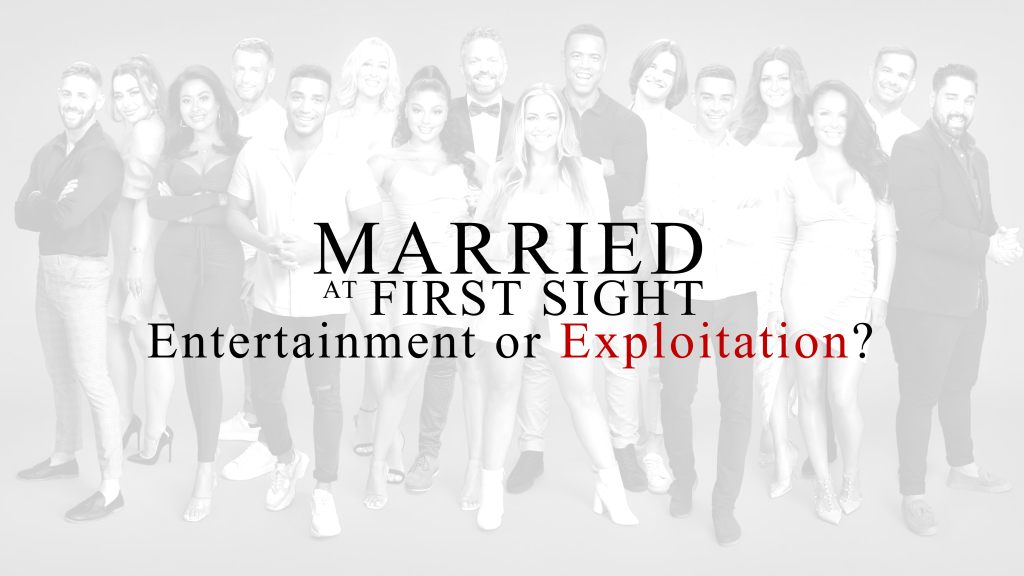
A BBC Panorama investigation that included allegations of rape and sexual assault brought forward by former Married at First Sight contestants has placed the popular series under great scrutiny. Two women alleged they were raped during filming. Shona Manderson, another former contestant, said she suffered sexual misconduct during the programme, although the men accused of those crimes deny the allegations. The accusations have quickly shifted attention away from the programme’s entertainment value and towards concerns over safeguarding and participant welfare within reality television.
It was not long before Channel 4 and production company CPL Productions were being criticised for what was happening with the contestants, with both defending their welfare procedures and saying that support for contributors was provided during the shows. According to reports surrounding the Panorama investigation, one former contestant alleged she informed both Channel 4 and CPL Productions of a rape before the series aired, yet the episodes were still broadcast. There were doubts about the strength and effectiveness of those measures, given that the series deliberately created a highly emotionally charged atmosphere to elicit conflict and tension between the show’s participants. The claims from the former Married at First Sight contestants were called “really serious concerns” by Ofcom, while TUI announced that it was dropping its sponsorship of the show, highlighting the serious nature of the allegations made and how quickly the situation developed. This showed how the scandal around Married at First Sight went beyond just an entertainment programme and became about how responsibility and accountability should work behind the scenes.
The allegations had also brought into focus more recent criticism of the nature of the production of Married at First Sight. Former contestants and insiders claimed that the show encouraged unhealthy situations and relationships for contestants to drive engagement and audience ratings. The Guardian reported claims from “former staff [members] describing the production as ‘toxic’, with much focus on the sex lives and relationship drama of contestants”. Producers have been criticised for prioritising entertainment and tension over contestant wellbeing. Tahnee Cook, a former contestant from the Australian version of Married at First Sight, also called out what she saw of some aspects of the show’s intimate exercises, which included “tantric sex workshops” and suggested that the contestants were often “coerced into being in uncomfortable situations”. These accusations further fuelled the debate of whether the boundaries between consent and production are blurred in reality television, despite being assured by Channel 4 and the production companies that safeguarding measures and support structures were in place. The allegations that have surfaced against the show in the United Kingdom have made people question whether the wellbeing of those participating in television shows were being prioritised or put second behind entertainment and ratings.
In the wake of the allegations against Married at First Sight, there had been further debates over the welfare of those who appeared on reality television. Recent shows, such as Love Island and The Jeremy Kyle Show, had received much scrutiny over the way they dealt with the wellbeing of their contestants, and there’ve been stricter duty of care policies introduced across the board in recent years. However, there were debates over whether these policies have truly been enforced by the broadcasters, or if it was done simply for the purpose of public image.
There had been claims from viewers and commentators that reality television shows rely on emotional conflict, humiliation and intimate personal situations to maintain their audience. This meant they may have had knowingly placed the show’s participants in psychologically stressful situations that undermined the ability to protect them. The situations that surrounded Married at First Sight therefore raised a question about whether it is ethical for these types of reality shows to exist. This is an issue for the reality television industry as a whole and the case of Married at First Sight could be viewed as just another example of the type of behaviour prevalent in the industry, and one more warning about it in future.
This is now the most serious scandal involving Married at First Sight and one of the biggest in the reality TV industry. The allegations surrounding the show are serious, and the fact that there are further claims about how it was produced could lead to increased controversy. The events surrounding Married at First Sight and what the allegations say will hopefully bring about a turning point in the debate over how the industry deals with contestants and their wellbeing on programmes, and whether the current policies are enough or if there should be more.
Edited by Robin Smith
Subedited by Lydia Gallagher






Leave a Reply