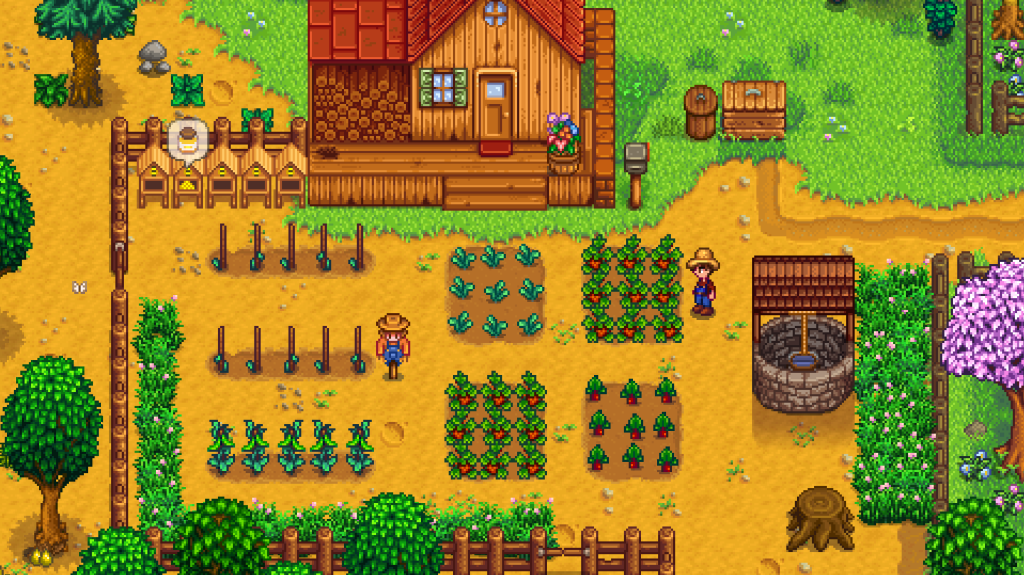
After a yearlong wait, I found myself in London on the 14th of February, anxiously standing outside the Eventim Apollo, hoping for the doors to open soon. Once inside, I took my seat, eagerly anticipating a moment I knew I would never forget. When the first notes of the overture filled the hall, I felt tears well in my eyes. It became even more clear to me how much Stardew Valley changed me beyond the screen.
The fact that the tour had returned for a second year, larger in scale, with an expanded orchestra and grander staging, was proof of its growth. What began as a simple project in 2012 at a small desk under the direction of its sole creator had evolved into something far greater than a game. For me, it had become part of my identity, something that resonated far beyond the hills that overlooked Pelican Town.
Released in 2016, Stardew Valley is an open-ended, farming RPG inspired by the Harvest Moon franchise and created by solo developer Eric Barone (Concerned Ape). It soon became an indie phenomenon, selling over 1 million copies within two months as well as being nominated for ‘Best Independent Game’ at The Game Awards in 2016.
The game’s prologue begins with the player’s grandfather warning them that one day they will feel “crushed by the burden of modern life.” This foreshadows the player escaping their exhausting corporate life at the game’s main antagonist company: Joja. The follow scene places the player in that monotony, sitting at a desk before they open their drawer and read the letter, which fades to the opening cutscene. They then arrive at their grandfather’s dilapidated farm they have inherited.
This narrative structure reflects the widespread fantasy of escape and the longing for a ‘better life.’ In an era defined by burnout culture, Stardew Valley offers a radical alternative: a life structured by your own creative liberties rather than commercial demands.
Your gameplay progress is measured through restoring the farm to its former glory by planting crops, raising animals and befriending villagers in Pelican Town. The game reframes success as something self-sufficient and rewarding. By allowing players to rebuild something at their own pace, Stardew Valley taps into the collective longing for freedom to make your own decisions.
Beyond its farming mechanics, Stardew Valley derives much of its emotional weight from the residents. Each villager has personal struggles that unfold as the player builds relationships with them. For example, Shane’s initial abrasive exterior slowly reveals his battle with depression and self-worth, Leah wrestles with artistic insecurity and the fear of failure and George confronts the frustrations of aging and declining mobility. There are many other characters too that have their own stories that you can explore, building that sense of connection in a community. These stories show that life can still be complicated and imperfect, even after escaping the past. Stardew Valley reminds players that struggles do not always disappear with a change of scenery, but we are still human and that changes can be faced gradually overtime.
Relationships must be cultivated slowly through daily conversations, thoughtful gifts, and key dialogue choices during unique events. These “heart events” function as emotional milestones, rewarding the player with scenarios themed around the characters. Your responses during these scenarios can strengthen or damage the relationship, gaining ‘hearts’ that can lead to romance. In a way, Stardew Valley subtly encourages empathy. Through building connections with the characters, it feels realistic, as you become increasingly involved with the villager’s struggles and personality. By connecting with the town’s residence, you become a vital part of its community.
Characters and farming aside, one of my favourite aspects about the game is the emotional resonance of its music. Hearing the soundtrack live during Stardew Valley: Symphony of Seasons transformed familiar melodies into something cinematic. I could close my eyes and imagine where I’d be depending on what song played. My two favourite themes are “Mines (Cloth)” and especially “The Wind Can Be Still”. Both songs use a synth to create a softer, delicate tone that sounds like snowfall. They deeply resonate with me as it feels representative of all the progress you have achieved so far. It’s the type of music I can close my eyes and listen to, truly surrounding myself with the sounds and feeling at peace.
The season-based structure of the orchestra mirrors the game’s own passage of time, reinforcing the narrative of new beginnings and growth. The music holds memories, transporting me to days I spent fishing, mining, or the satisfaction of my first harvest in spring. Experiencing it outside the game made those memories more impactful and meaningful to me. The orchestra performed an unforgettable memory of nostalgia that I’ll never forget.
With its 10th anniversary having been on the 26th of February, Stardew Valley still continues to thrive. Much of this success stems from the dedication of its creator, Eric Barone, who has constantly delivered free substantial updates rather than monetised DLC. The game’s modding community has further extended its lifespan, allowing players to personalise and broaden their experience in many ways.
However, its popularity isn’t just because of updates or its modding capabilities. Players come back because the valley offers something unique: satisfying progression without pressure. Success isn’t about min-maxing or completion, but about taking time, enjoying the simplicity of daily life whilst you build friendships and enjoy everything it has to offer. Hearing the music performed live reminded me of that. As the final song ended, I felt complete. To me, Stardew Valley has always been about the comfort, the sense of community and the reminder to take time to enjoy the little things. To Stardew Valley, living life more slowly, didn’t mean living less. That’s why, even years later since I started playing for the first time, it still feels like home.
Written by Kadie Cooper
Edited by Lydia Gallagher




Leave a comment