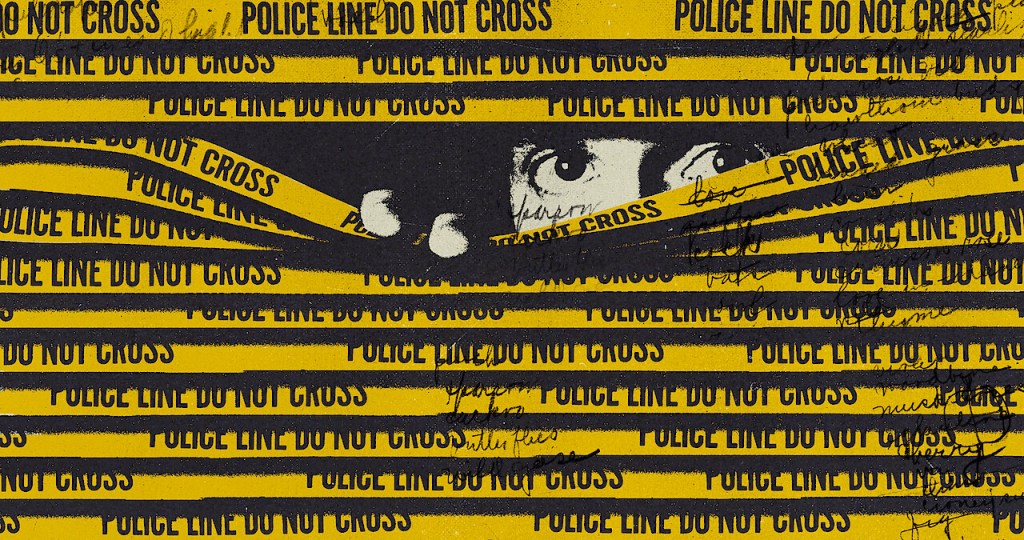
Why the stories we tell, and the way we tell them, matter just as much as the crimes themselves.
I love content about murder. I know, I know, odd, right? Yet, true crime has become one of the most popular forms of media in the world. Podcasts regularly top global streaming charts, Netflix documentaries dominate viewing figures, and YouTube creators upload countless hours of crime-related content every week. Despite its immense popularity, true crime remains one of the most ethically controversial genres in modern media. Critics argue that it profits from tragedy, turns victims into entertainment, and risks glamorising perpetrators. Supporters, however, contend that when approached responsibly, true crime has the potential to educate audiences about criminal psychology, social issues, investigative practices, and the criminal justice system. I fall firmly into the latter, but with an important caveat. True crime should never exist solely for entertainment. Its value lies in its ability to inform, encourage empathy, and spark meaningful discussion, rather than simply satisfying morbid curiosity. True crime is not inherently exploitative. It becomes exploitative when the pursuit of entertainment overshadows the pursuit of truth.
Whenever I admit that I enjoy true crime, I am often met with the same reaction: How can you enjoy listening to stories about murder? It is a reasonable question, but it’s also based on a common misunderstanding of why many people consume true crime. My interest has never stemmed from violence itself. Instead, I find myself drawn to the psychological complexity behind criminal behaviour, the investigative process that follows, and the broader societal questions each case raises. I am fascinated by understanding why crimes happen, how investigations unfold, and what failures or successes within the justice system ultimately shape the outcome. The appeal is not the crime itself, but the opportunity to learn from it. Creators like Rotten Mango stand out as examples of the ethical, informative storytellers, while others, such as Eleanor Neale, reveal the pitfalls of prioritising views over victims.
The Case That Highlights the Stakes: Two Teen Girls and a Disturbing Plan
One recent case that highlights the dangers of sensationalised true crime is the story of two teenage girls who planned to slit their classmate’s throat and drink his blood to resurrect a mass killer. The headline alone is horrifying, and it’s easy to see how irresponsible creators might exploit it for shock, clicks, and virality. But the way Rotten Mango handled this case demonstrates what ethical storytelling looks like. Stephanie Soo, the creator behind Rotten Mango, reported on the case with a balance of sensitivity and seriousness. She didn’t sensationalise the violence or lean into the shock factor of the girls’ plan. Instead, she contextualised the case within broader themes: the psychological vulnerability of teenagers, the influence of online radicalisation, the dangers of idolising violent figures, and the failures of adults and institutions to intervene. Her coverage emphasised the real-world consequences of unchecked obsession, peer influence, and the glamorisation of violence. Rather than turning the case into a spectacle, she used it as a cautionary tale, a way to highlight how easily young people can be drawn into dangerous ideologies when they lack support, guidance, or healthy coping mechanisms. This is the kind of true crime content that educates rather than exploits. It respects victims, acknowledges the gravity of the crime, and encourages listeners to reflect critically on the social conditions that allow such tragedies to unfold.
The Ethical Foundations of True Crime Storytelling
Ethical true crime content rests on several pillars. When creators uphold these principles, they contribute meaningfully to public understanding. When they ignore them, they risk causing harm. Creators need to respect the victims and families. Victims are not characters. They are real people whose lives were cut short or irreparably changed. Ethical creators avoid graphic descriptions unless necessary for understanding, prioritise victims’ humanity over perpetrators’ notoriety, consider how families may feel hearing their loved one’s story, and avoid speculation that could distort the truth. Creators like Rotten Mango consistently centre victims, ensuring their stories are told with dignity. Context is key. Crime does not occur in a vacuum; ethical creators explore the social conditions, mental health factors, systemic failures, cultural influences, and historical patterns. This transforms true crime into a tool for understanding society rather than simply recounting horror. Creators must avoid glorification of perpetrators. Some creators unintentionally glamorise killers by focusing excessively on their personalities, aesthetics, or “mysterious” qualities. Ethical creators avoid this by minimising unnecessary focus on perpetrators, highlighting the consequences of their actions and, emphasising victims’ stories and systemic issues.
When True Crime Goes Wrong: The Problem with Eleanor Neale
While many creators strive for ethical storytelling, others fall short. Eleanor Neale is often cited as an example of a true crime creator whose content raises ethical concerns. Her videos frequently rely on dramatic storytelling techniques, sensationalised language and overemphasis on shocking details. Additionally, in May 2025, Neale debuted a channel rebranding that was widely disliked. Viewers expressed outrage after she swapped to a casual, “chatty” vibe while discussing graphic murder cases. She faced heavy criticism for making light-hearted jokes, removing her traditional content disclaimers, and using highly inappropriate slang, such as calling a murder victim a “baddie”, which many felt stripped the victims of their dignity. On top of this, on multiple occasions, family members of victims have publicly requested that she take down videos detailing their loved ones’ murders due to the distress they caused. Neale reportedly refused to remove the videos, leading to accusations that she prioritised monetisation over basic human empathy. She has also been criticised for using sensationalised, clickbait thumbnails featuring fake blood splatters behind photos of real victims. When creators prioritise views over accuracy or sensitivity, harm can be caused, such as families feeling exploited, audiences developing a distorted view of crimes, misinformation spreading rapidly and serious issues becoming trivialised. This is why ethical creators matter; their ability to shape public understanding can very quickly slip from helpful to harmful.
The Future of True Crime
The future of true crime depends heavily on how creators choose to evolve within the genre. As the audience becomes more aware of ethical issues, creators will need to adopt more responsible storytelling practices. Ethical creators will likely continue to emphasise education, focusing on how crimes occur, why systems fail, and what communities can learn from these events. This shift will help true crime become a tool for social awareness rather than a spectacle. At the same time, audiences will play a crucial role in shaping the genre’s direction. Viewers and listeners are becoming more discerning, increasingly rejecting content that feels exploitative or disrespectful. As people gravitate toward creators like Rotten Mango, who approach cases with sensitivity and depth, the demand for responsible storytelling will grow. Audiences will expect creators to fact-check rigorously, avoid speculation, and acknowledge the limitations of available information. This cultural shift will encourage creators to produce content that is not only engaging but also grounded in empathy and accuracy.
Ultimately, true crime will move toward a model that values responsibility as much as storytelling. Creators who fail to adapt, those who continue to sensationalise or exploit tragedy, such as Eleanor Neale, may find themselves increasingly criticised or sidelined as audiences demand higher standards. The genre’s evolution will depend on a collective commitment to empathy, accuracy, and education. When creators and audiences work together to uphold these values, true crime can become a powerful force for awareness, reflection, and meaningful change. When we choose ethical content, we choose to learn from tragedy rather than consume it.
Edited by Jemima Humphrey
Sub-edited by Rain Myant




Leave a Reply