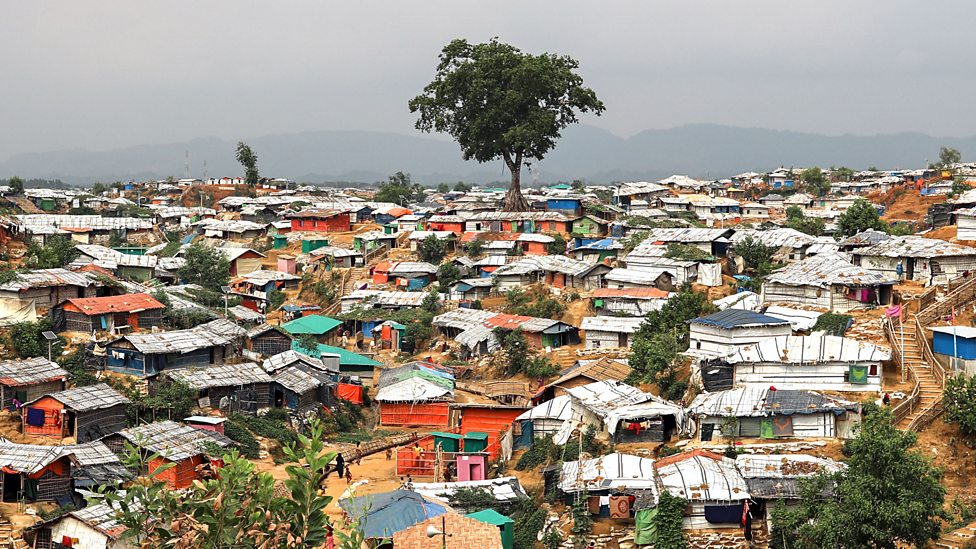
Footage from a Rohingya camp in Bangladesh shows tents swaying in the rain, with children sharing a blanket. On Greek islands, asylum seekers are crowded against a detention centre. Can the world continue to help when supplies are finite? Humanitarian assistance is finite, and safety nets have boundaries. When food supplies run out and aid stops, a moral dilemma arises: who should be rescued first? Children, the vulnerable, the politically convenient, or those rebuilding? Our decision falls on ethics, specifically whether to prioritise the greater good, uphold equality, or strike a balance between short-term needs and long-term aspirations. Policymakers, non-governmental organisations (NGOs) and citizens face tough choices. There may be no clear answer; we must strike a balance between compassion and realism. The world faces crises, and we keep asking who deserves a chance.
Survival now isn’t just hunting or having a roof over your head. It also means having a safe place to live, access to good food, the opportunity to stay in a country legally, protection from police brutality, and some hope that life can improve later. All these challenges are growing more severe because of three main issues: limited resources, restrictive rules, and corruption diverting aid. Donors often become exhausted, particularly when farms fail or floods destroy crops, leading charities to decide who receives assistance and who does not. Rohingya refugees in Malaysia are often not legally recognised by the Malaysian government, leading to restricted access to healthcare, education and employment.
Secondly, laws and politics add another layer of trouble. Asylum rules have become tighter in many countries. Refugees from Syria or Ukraine often find doors slammed shut or are forced to live in camps where they cannot work. Immigration raids in border towns make it risky for undocumented families to go to a doctor. Some donors also tie their money to political goals, so aid can’t be given to the places that need it most if those places don’t fit a foreign agenda.
Thirdly, corruption consumes the little that remains. In Haiti, following the earthquake, funds intended for victims were diverted into hidden accounts. In Somalia, aid trucks sometimes get stopped by armed groups who take the supplies for themselves. Those who witness this struggle to trust both their leaders and the outside help offered. When we attempt to address these issues, ethics provides a framework for identifying the right course of action. From a utilitarian viewpoint, our priority should be helping areas where the greatest suffering can be reduced. One example is a large-scale project, such as building a dam. While this would benefit thousands, it could also lead to the neglect of smaller communities that need water access too. A rights-based view says every person has a claim to life, liberty and safety, no matter where they were born, so laws should protect even the most marginal people. Alternatively, a justice perspective prompts societies to address the historical gaps that have left some groups impoverished, such as establishing more schools in inner cities or providing land to farmers who have lost it due to climate change.
Finally, the idea of “priority to the worst-off” says aid should first reach those whose chance to survive is thinnest, like the child in a tent in a flood-hit region of Bangladesh. Therefore, the answer may not be a single theory, but rather a combination of them. Policies need to broaden our understanding of survival, and address the challenges posed by scarcity, legal restrictions, and corruption.
Many humanitarian crises reveal the tension between moral duty and political limits. In Europe, Greece’s law punishes denied asylum seekers, conflicting with global rights and weakening protections. In Somalia, a famine worsens under AlShabaab control, forcing aid groups to bargain with militants, raising questions about legitimacy. Haiti faces compounded crises: economic collapse, earthquakes, and corruption, with aid issues worsened by mismanagement. These cases highlight barriers like statelessness, legal exclusion, armed obstruction, and corruption. They suggest that only a rights-based, coordinated effort could ensure effective relief and accountability; this would require political will, funding, and inclusive policies to avoid ethical compromises.
Humanitarian work is caught in a tangle of opposing pulls. The desire to be fast, to drop food boxes and set up tents in a day, often clashes with the need to be fair, to provide help to those who need it most, not just those closest to the road. Laws regarding immigration or sanctions can hinder a rescue, so workers must choose between following the letter of the law and responding to the call of compassion. Short-term fixes, such as a quick water shipment or a temporary medical clinic may seem effective in the short term, but they can also create long-term problems, including people becoming dependent or local markets collapsing. When donors shout, “reach more people!” responders feel the pressure of the quantity-versus-quality debate: a large crowd can receive a little help, while a small group can receive a lot. These aren’t just paper puzzles; they are daily choices for families in a refugee camp, for volunteers in a storm-hit town, and for the officials who sign the budgets.
To make those choices defensible, we need four simple checkpoints: vulnerability, legal status, predictability, and accountability. Vulnerability means identifying who is most at risk, such as a mother with a newborn or a child with a fever, regardless of their immigration status. Legal status should not become a wall that keeps stateless people or undocumented workers out of lifesaving aid, as that would shatter the idea that everyone has a right to live with dignity. Predictability asks that aid not be a surprise every week; people should know when the next food drop or health check will happen, so they can plan their lives instead of living in panic. Accountability and voice mean those receiving help have a genuine way to speak up, to tell aid groups what works and what doesn’t, transforming aid from a one-way handout into a partnership.
In the end, juggling speed against fairness, law against moral duty, short-term relief against long-term stability, and numbers reached versus comprehensive care requires a rulebook that is both firm and flexible. Survival is often described as a matter of luck or resilience, but these stories reveal that politics and power are equally decisive. Those who receive food, medicine, or shelter are dependent on how governments choose to recognise certain groups, which donors continue to fund, and whose humanity is deemed worth protecting as climate disasters and displacement increase. The question of ‘who is saved first’ is shaped less by need than by borders, corruption, and convenience, a dangerous path toward treating dignity and justice as optional. Actual survival should rest on fairness and solidarity, not on fatigue or political calculation. It means refusing to let aid become a weapon, resisting policies that brand people as burdens, and remembering that every child deserves food and shelter, not hunger and homelessness. The choices we make now will not only determine how people endure the next crisis, but also what kind of world we pass on to future generations.






Leave a Reply