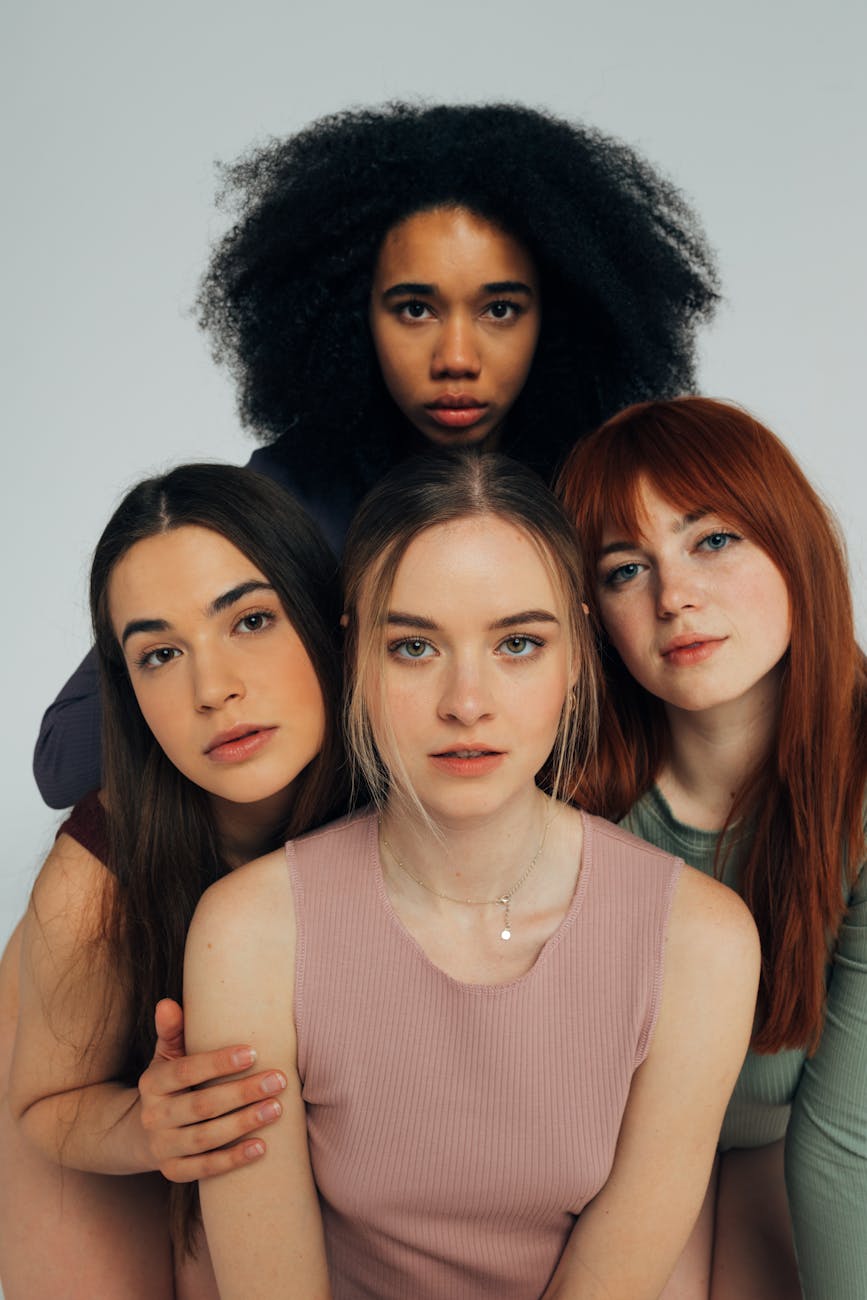
Recently, there has been a rise in ‘feminism’ that is simply repackaged misogyny — the TikTok trends including ‘I’m just a girl’ (including girl dinner and girl math); the ‘divine feminine’; and ‘girlhood’ make me wonder if we’re ever making it out of feminism’s fourth wave.
The ‘Year of the Girl’ exploded two summers ago, with Taylor Swift’s new music and tour; the ‘clean girl’ trend; and, most importantly, Barbie being released in cinemas. Accumulating around $1.4 billion dollars worldwide at the box office, Barbie was undoubtedly a smash hit. Although it had been praised as being ‘feminist’, the film also received criticisms refuting that. Whilst I did enjoy Barbie on my first watch, I certainly don’t think it is the revolutionary depiction of feminism that it’s often made out to be. To me, it’s that one-size-fits-all feminism which women are supposed to be grateful for.
Granted, female roles have come a long way since the advent of film. My parents and I are big Cary Grant fans, and we always laugh at the passive, soft-spoken heroines that swoon over Grant’s charms (not that I can blame them). For a long time, and not only in film, women were simply a love interest. Something pretty to look at; for the men to admire and the women to envy. Although, of course, there were exceptions, such as the powerhouse The Passion of Joan of Arc (1928) or subversive Born in Flames (1983), feminism in film didn’t particularly begin to boom until the 2000s.
However, it quickly became corrupted. Gone were the days of swooning. Now, female leads were confident, independent, and sensible — which, obviously, isn’t a bad thing. The problem lies with that being all they are. Marvel’s heroine Black Widow, for example, was a victim of ‘girlbossification.’ She can snap a man’s neck with her legs; emotionally distance herself; and doesn’t need a man (12-year-old me was, unfortunately, a big Natasha/Bruce fan). But what else? Where are her moments of vulnerability? Why can a woman only be weak and passive or strong and fierce? It isn’t, I hope, a revolutionary idea that humans are multifaceted and three-dimensional.
In the late 2010s to early 2020s, we saw the beginning of supposedly feminist superhero films. Wonder Woman (2017); Captain Marvel (2019); and Black Widow (2021) were all the same. The heroines were all skinny, white, and often wearing tight-fitting clothing. These films take feminism to mean ‘women being the same, if not better than men’, when what feminism is really about is dismantling patriarchal structures and liberating all genders, including men, from an oppressive system that harms everyone.
I will stop complaining momentarily and talk about an amazing feminist film. Persepolis (2007) is a beautiful coming-of-age story, following the punkish life of a teenage girl growing up in pre- and post-revolutionary Iran. Based on Marjane Satrapi’s autobiographical comic novel of the same name, Persepolis explores what it is like to be a girl and woman in an oppressive society. What I love about this film is that the main character, Marji, is complex. She’s passionate, stubborn, and isolated; she struggles with depression but still has a deep love for her family and country. There are moments of despair and hope; violence and joy. It shows women as complex people with choice, freedom, and agency.
See how Barbie pales in comparison? Whilst the film is a decent introduction to feminism, especially to children, it has been criticised for its white feminism. It portrays one ideal of a woman: happy, bubbly, and oblivious. In trying to be over-feminist, the film wraps all the way back round to being sexist. The men are either stupid or controlling; must be looked after by the Barbies or dominate them. There is not a realistic depiction of either man or woman in the film. It is, quite simply, a two-hour advert for Mattel, smothered in pink glitter, and marketed as fun and feminist, when I think it only just achieves one of those qualities.
Barbie is a film, among others, that contains a certain kind of ‘feminism’ that, when you look closer, is just gender essentialism. Barbieland goes back to being ruled by the Barbies, so what changes? This narrative that only women are capable and rational is harmful to everyone. It pushes a dangerous suggestion that men can only ever be foolish or dangerous.
I’m not saying that all men are perfect, of course, and no woman can be strong and independent all the time. We are human — everyone is going to be complex, and that should reflect in the characters we create too. Feminism isn’t about women wearing pink and still kicking ass; it’s about freeing everyone from the strict binaries of gender and allowing each other to be complicated and multi-dimensional.

 Splendid Fred Magazine
Leave a comment