It may come as a surprise that, as studies have shown, some members of the LGBTQIA+ community take solace in, of all things, horror. Why is that? How can creepy violins, dark corridors, and things that go bump in the night be comforting?
A liking for horror in the general sense isn’t unusual. We humans are intrigued by the morbid curiosity of something we’re not supposed to watch. We’re hooked on the thrill (with no actual danger, of course), leaning forward in our seats, hands clasped so hard that our fingernails leave dents, adrenaline burning in the back of the throat. But that’s not exactly comforting.
To answer this question, we must fundamentally examine gothic and horror genres. Typically, they employ moody atmospheres with themes that are melancholy at best, being full of death, fear and the like, but they also explore the taboos of the time. Depending on when these texts were written, though, some of these ‘taboos’ might include homosexuality and queerness (more on that later).
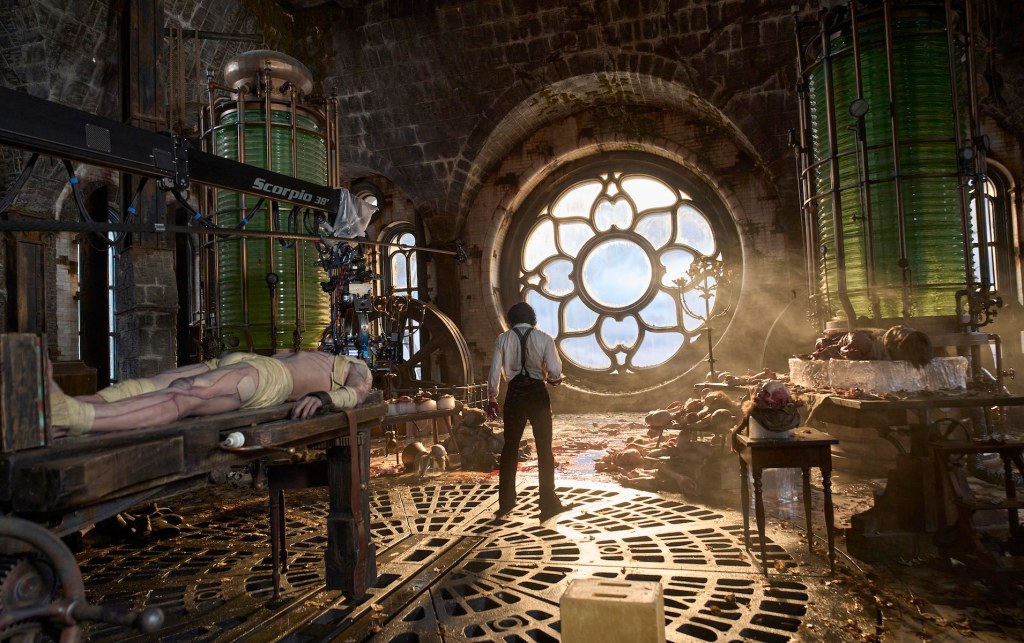
One common convention of gothic horror is the involvement of a monster. Many novels portray a variety of unnatural or supernatural creatures, usually as outsiders at best, or villains at worst. Take, for example, Mary Shelley’s Frankenstein. During the creation of his monster, Victor has to keep him a secret, resulting in him having a mental breakdown. Once the monster is brought to life, he is seen as a brute, experiencing alienation for his mere existence. Throughout the novel, the monster only wants someone to understand him. He wants to be treated like any other human being, no matter his mix of body parts.
We can relate these themes to the everyday experiences of many LGBT+ people. They, too, face alienation just for being who they are, even being shunned by their families out of embarrassment or disgust. Queer people raise their voices to be heard, only wanting people to understand them and their perspective. A lot of the community have to hide their identity or keep their queer relationships hidden out of fear, just like Victor’s attempts to hide his ‘creature’.
Meanwhile, some gothic horror stories are written as explorations of identity, with deeper meanings that some may overlook. Oscar Wilde’s The Picture of Dorian Gray is a great example. During Wilde’s trial for ‘gross indecency’ (i.e. engaging in homosexual acts), the book was used as evidence because of its thinly veiled homosexuality. Another novel worth mentioning is Anne Rice’s Interview with the Vampire, which can be interpreted to have queer undertones between characters Louis and Lestat. There’s even been an AMC adaptation which has more explicit homosexual vampire romance.
More recently, the 2024 movie I Saw the TV Glow carries key themes of change, identity, and acceptance of self. Many transgender people have resonated with its message, and with the main character, Owen. Even though this film isn’t explicitly about trans people, it is relatable because of its exploration of internal conflict and coming to terms with one’s identity – just as Owen undertakes a battle with himself, transgender people go through this internal conflict when grappling gender dysphoria.
It is understandable, then, that LGBTQ+ people can take solace in gothic and horror. The genres are chock full of themes of alienation, isolation and identity; characters who are doomed to be outsiders simply because of who they are; and, if you dig deeper, there are some pretty significant cultural and historical context surrounding them. All of these are factors which explain why gothic and horror continues to strike home with many LGTBQ+ people today.


 Flendid Spred Magazine
Leave a comment