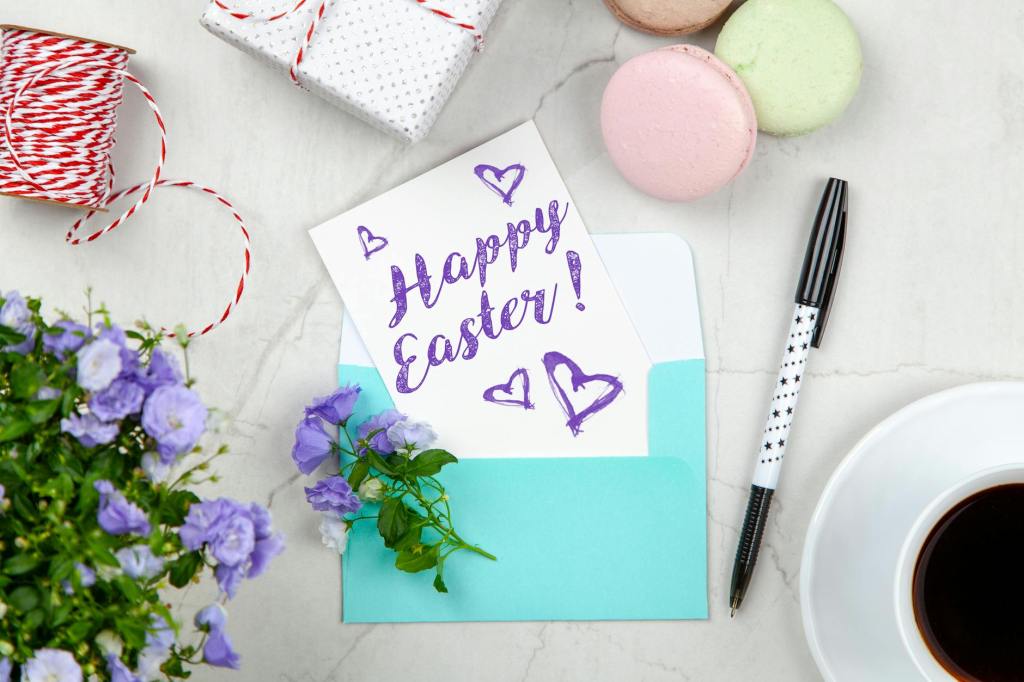
If you’re after some activities to do this Easter, and want to learn a little something about some of the festival’s traditions along the way, then you’ve come to the right place!
Egg Dying/Decorating:
Much like the spring season itself, eggs are associated with new life, rebirth and fertility and are often linked with Pagan festivals that celebrated spring and the burst of colour that comes along with it. People would give these eggs to their friends and family to represent new beginnings and rebirth. Christianity adopted this tradition with Jesus’ resurrection as a symbol of starting anew. Eggs were also forbidden in the 40 days of lent, so as chickens laid them, people would decorate them. In Judaism, the egg is an important part of the Passover Seder plate, where it represents the circle of life and the idea of mourning amongst other ideology. You can find out more here: Why the Egg (Beitza) on the Passover Seder Plate? – Chabad.org.
Now you have a brief idea on the importance of egg dying or decorating, how do you go about it? Dying an egg is quite easy, as you can make dye with natural ingredients from a shop. Red cabbage, turmeric, onion skins, beetroots and coffee make the strongest colours. If you boil your eggs with these ingredients, then they will change colour! Once this step is done, you can leave your eggs as decoration, or they can be painted. So go on, go be creative!
Easter Folklore
Central to Christianity is the sacrifice and resurrection of Jesus, who died on the cross on Good Friday and was resurrected on Easter Sunday. Whilst Easter was never a pagan holiday, it did originate from the celebration of the Goddess of Spring known as many names including Eastre which is where ‘Easter’ derived from.
If you want a story more along the ‘spring’ side of things look at the Ancient Greek Myth of Demeter, Persephone (Goddess of spring) and Hades which details what caused the warmer and colder months. It’s a tale of love, loss and family that represents the season very well. Read more about it here: Myth of Hades and Persephone. Afterward you can check out ‘The Pomegranate’ (Eavan Boland), which is a poem that tells the tale of a mother losing her daughter to the idea of growing up. It highlights the important parts of Spring and Easter with the idea of new beginnings and such.
Gathering Flowers
This activity encourages you to take in the natural world and absorb the fresh air. As spring begins, flowers start to bloom everywhere. They represent renewal, hope and new beginnings whilst also looking gorgeous on your dining room table. This activity is simple: just go outside and explore your local parks for wildflowers to pick and arrange! From crocuses to forget-me-nots and ox-eye daisies, you can put together your own small bouquet! Just remember to check if the flowers you want to gather are safe and not against any protection laws or rules to gather. While you’re out, take a moment to see if you can spot any tracks left by animals, or if you’re lucky, the animal itself! You might see some rabbits, mice, or moles on your travels, and Deer like to run across quiet fields. This is a nice calm activity that the whole family can enjoy, but do make sure you research how to stay safe.
Food – The Easter Lunch
Now we move onto food! Food is an important part of Easter as not only does it revolve around what the world brings us to eat as spring emerges, but it creates a sense of community. It also works as a symbol for the last supper through bringing people together. Traditionally, Lamb is served as the main dish which represents Jesus as the ‘Lamb of God’, and this is often marinated in herbs like rosemary and garlic. Some people like to cook a roasted ham instead, which is often glazed with brown sugar, honey or pineapple juice. On the sides, people often have spring vegetables (like asparagus, peas and radishes) alongside glazed carrots and potato dishes with different variations of freshly baked breads depending on the culture and tradition. A feast for sure! In Jewish traditions, Challah is often served during the Passover celebration, which coincides with Easter. It’s a braided bread that is served commonly with sweet butter or honey.
Now, onto desserts. Obvious there’s the chocolate egg option, but some people make carrot cake to show off the season’s plentiful harvest. If you want to read more about other types of food consumed over Easter, check out this site: Delightful Feasts: What is Served at a Traditional Easter Dinner? – HomeDiningKitchen.
So there you have it; some things to keep you occupied this Easter. Hopefully it will be one you and your family will never forget!


 Splendid Fred Magazine
Leave a comment