by Jacob Wingate-Bishop
I love concept albums. They’re strange, intricate and slightly pretentious, but almost always a fascinating endeavour from the tired hands which makes them. Whether it’s The Who’s defining Tommy, which feels like a full-blown fever dream, Bowie’s …Ziggy Stardust… which deals with a six-string brandishing alien from outer space, ELO’s Time chronicling the tragic tale of a man separated from his lover by a century of time travel or – perhaps the genre’s greatest example – Pink Floyd’s The Wall. They just rock.
But what do all these concept albums have in common? They all use fantasy and science-fiction to touch on something deeper, more inward and psychological. And they all were made from the 1970s-1990s. It feels like the age of the great concept album is over. It had a good run but, as with all trends in music, everything has its time.
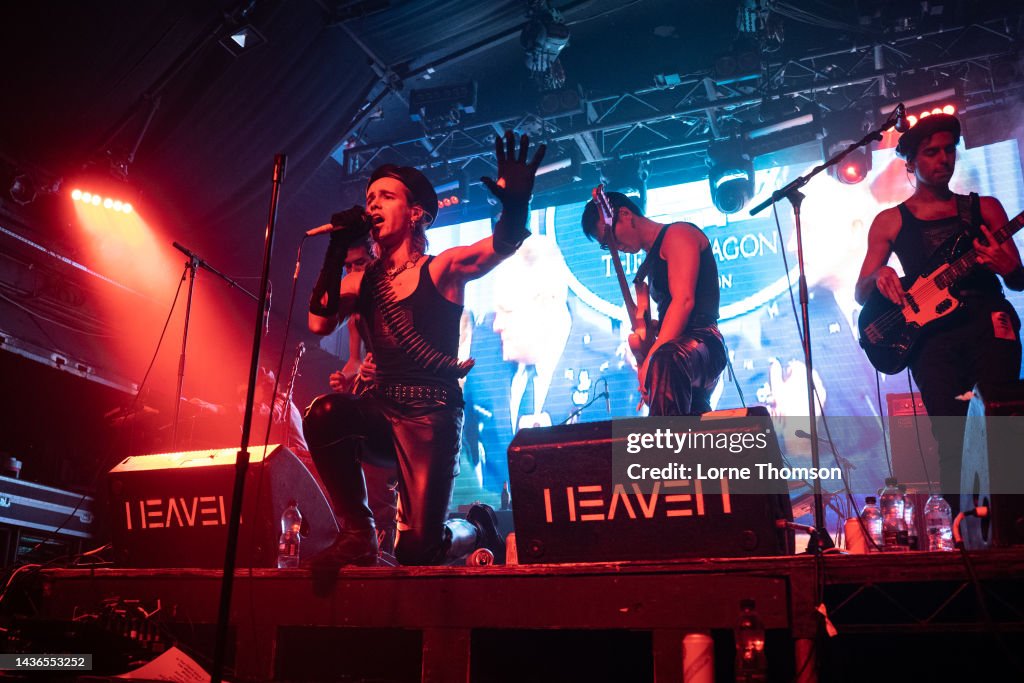
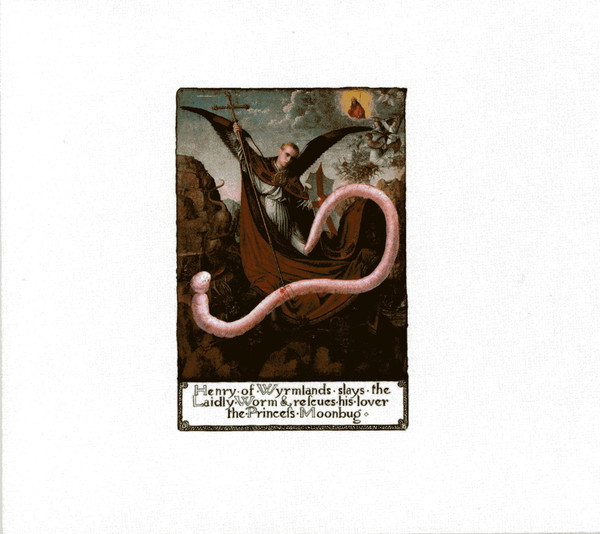
Enter HMLTD, a London-based band whose 2020 debut, West of Eden, was an art-punk attack on the injustice and toxic traits becoming ever more prevalent in our society. Earlier this year, the five-piece put out their sophomore release, The Worm: a bizarre rock opera set in a fictitious Medieval-esque England which has been swallowed by a massive worm.
Even against the likes of Tommy or The Dark Side of the Moon, HMLTD’s The Worm is tough to put into words. The subgenres touched upon in the album are as seemingly disparate as the themes and plotline itself, and yet it all, undoubtedly, works together, culminating in one of the most intriguing musical works of the 2020s.
The album opens with ‘Worm’s Dream’, a sub two-minute piece of expositional gospel detailing the fall of the titular creature, referencing England’s capital as a ‘bombshell’, where a colossal worm has wreaked havoc, then fallen. It’s as much spoken fiction as it is music, barrelling into ‘Wyrmlands’, a jazzy art-rocker of King Gizzard-esque jammy mayhem.
‘The End Is Now’ promises yet more carnage, in this electronica-turned-sound collage as the fabled worm swallows ye olde England. ‘Days’, meanwhile, proves a beautiful, piano-led ballad which touches on something deeper than serpentine flights of fancy.
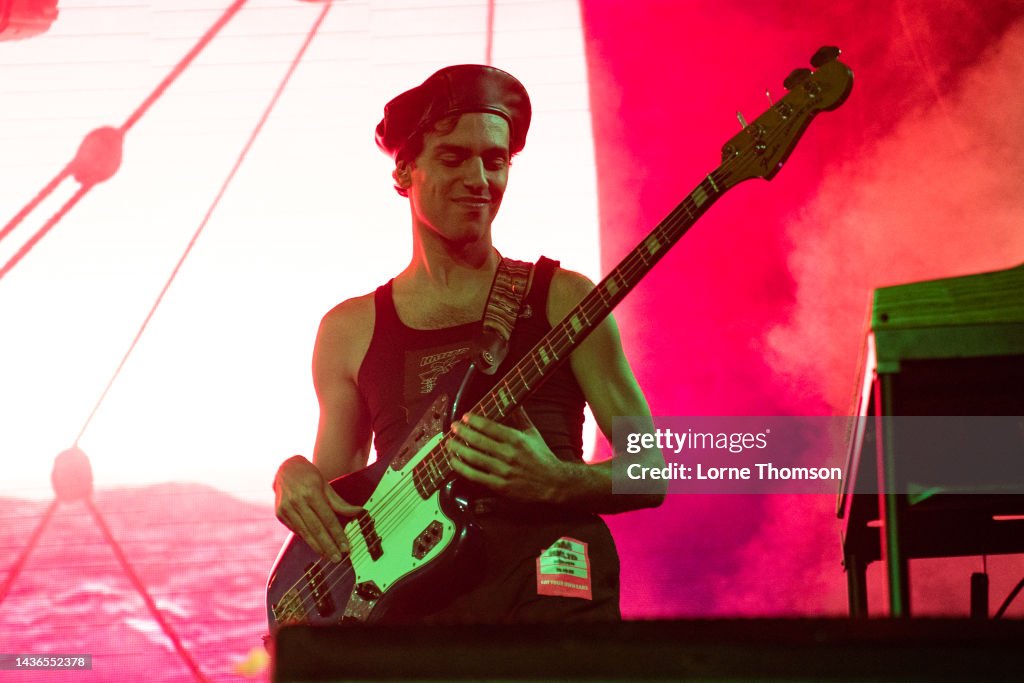
Undoubtedly the highest point of The Worm is ‘Saddest Worm Ever’, a deliciously pop rock number touching on mental health, set to New Order’s synth. Indeed, the whole track feels like ‘Dream Attack’ off the latter’s 1989 Technique.‘Like a gun to the head,’ repeatsfrontman Henry Spychalski – and leader of the ‘Grunter Rebellion’ within the Wormverse – likening the titular behemoth to issues around mental health. Here, the record goes ‘full concept’, full of digestible choruses about worms devouring innocent people, maniacal laughs, town criers (ushering a royal decree from the Worshipful Worm) and even veganism.
‘Liverpool Street’ takes the point of view from a psychologist, explaining how Henry Spychalski mental state has deteriorated, giving way to quasi-biblical hallucinations. Is the worm real? Did it ever exist? Is it just a metaphor? And what time are we in? This piano ballad plays second fiddle to ‘Days’, but remains a moment of poignance within otherwise splendid chaos.
The last side of Floyd’s The Wall, tackling Pink’s imaginings of being a neo-fascist dictator, are echoed in ‘The Worm’, with its militaristic backbeat and pleas to the audience – to kill the worm. In order to truly live, we must let go of the darkness inside us and crawl out from the worm’s belly. ‘Past Life (Sinnerman’s Song)’ and closer ‘Lay Me Down’, while less nebulous, exhibit the erratic behaviour of the Grunter Rebels themselves; full of samples, interpolations, clattering drumbeats and thoughtful introspection.
The album closes with the narrator having made peace with himself. The worm is a thing of the place, replaced instead by – beside a blistering guitar solo fit for the likes of Gilmour – inner peace. We may not emerge from this period of reflection as flawless butterflies, but we can at least find some acceptance of who we are, and our place in the world.
So, The Worm owes a lot to The Wall. Both albums play with pre-established genres, touch on similar themes and even come to the same conclusion of the soul. Hell, the term ‘worm’ is used extensively throughout Pink Floyd’s 1979 epic. But it would also be unfair to look at HMLTD’s second effort solely through the lens of a Pink Floyd fan. The Worm is solid enough to stand on its own two feet. Most importantly, it packs enough surrealism – whilst remaining cohesive, and engaging for the masses – to remain a thoughtful favourite for years to come.



 Splendid Fred Magazine
Leave a comment